When a property is hit by a flood, the visible water is often just the tip of the iceberg. Flood damage cleaning is the comprehensive process of remediating a property to ensure it is structurally sound, chemically safe, and biologically decontaminated.
Because floodwater is categorised as a significant health risk, the cleaning process is far more rigorous than standard property maintenance. This guide dives into the technical details of how professional flood damage restoration protects your health and your investment.
Skip to:
The flood damage cleaning process
1. Understanding the three categories of water
In the restoration industry, we classify water based on its level of contamination. This dictates the safety protocols and cleaning methods used:
Category 1 (Clean Water): Water from a clean source, like a broken supply pipe.
Category 2 (Grey Water): Water with some level of contamination, such as washing machine or dishwasher overflow.
Category 3 (Black Water): This is the category for almost all flood damage cleaning. Black water includes sewage, rising river water, and seawater. It contains pathogens, bacteria, and toxins that can cause serious illness.
Because flooding usually involves “Black Water,” specialist decontamination is a mandatory part of the emergency flood cleanup process.
2. The professional flood cleaning process
A 10/10 restoration job isn’t just about speed; it’s about precision. Here is the expanded breakdown of the Ideal Response methodology:
Dynamic risk assessment & safety
Before cleaning begins, we assess the site for electrical hazards, structural instability, and biohazard levels. This ensures our team and your family or staff remain safe throughout the project.
High-volume extraction
We don’t just use mops. We deploy industrial submersible pumps and wet-vacuums capable of moving thousands of litres of water per hour. Rapid removal is the only way to stop water from migrating deeper into the building’s internal structure.
Pressure washing & silt removal
Floods leave behind silt and “fine” sediments that can trap bacteria. We use high-pressure cleaning systems to blast away these deposits from hard surfaces, ensuring a sterile foundation for the next steps.
Targeted decontamination (Biocides)
We apply professional-grade, broad-spectrum biocides. These are designed to penetrate porous surfaces and neutralise E. coli, Salmonella, and other pathogens commonly found in floodwater. This is a critical step outlined in our overview of water damage restoration.
The science of structural drying
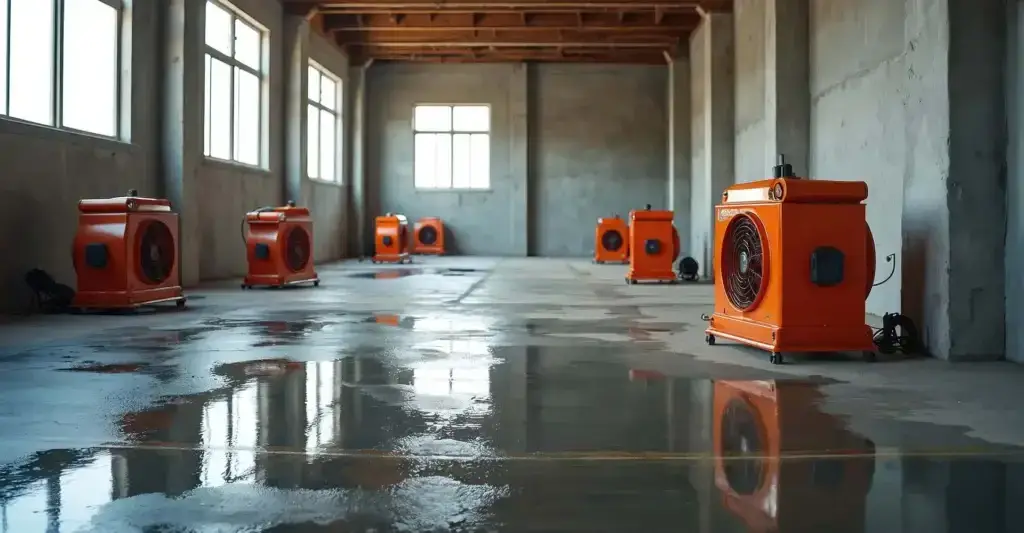
Moisture “hides” inside bricks, concrete, and timber. To carry out specialist drying we use:
Refrigerant & Desiccant Dehumidifiers: To lower the relative humidity (RH) of the air.
High-Velocity Air Movers: To promote evaporation at the surface level.
Targeted Heat Injection: For dense materials like stone or thick masonry.
3. The importance of an experienced & professional provider
Flood restoration is a highly technical field where “cutting corners” can lead to catastrophic structural failure or long-term health issues. Choosing a reputable provider like Ideal Response ensures:
Accreditation and standards: We operate to BDMA (British Damage Management Association) standards. This ensures that the techniques used on your property are scientifically sound and industry-approved.
Comprehensive biohazard removal: Standard cleaning companies often lack the PPE and chemical expertise to handle “Black Water.” As seen in our pub basement mould remediation case study, we use HEPA vacuums and fogging technology to ensure every spore and pathogen is neutralised.
Insurance compliance: Most insurers will only work with vetted, professional restoration companies. Using an unaccredited firm can lead to rejected claims or insufficient payouts for reinstatement.
Preventing secondary damage: An inexperienced provider might dry the surface but leave the sub-floor damp. This leads to dry rot and structural instability that may not appear for months.
If you are unsure where to start with your insurer or how to vet a provider, read our top 5 things to do if your property has flooded for immediate guidance.
4. Secondary Damage: Mould & Odour
Flood damage cleaning isn’t complete until secondary threats are eliminated.
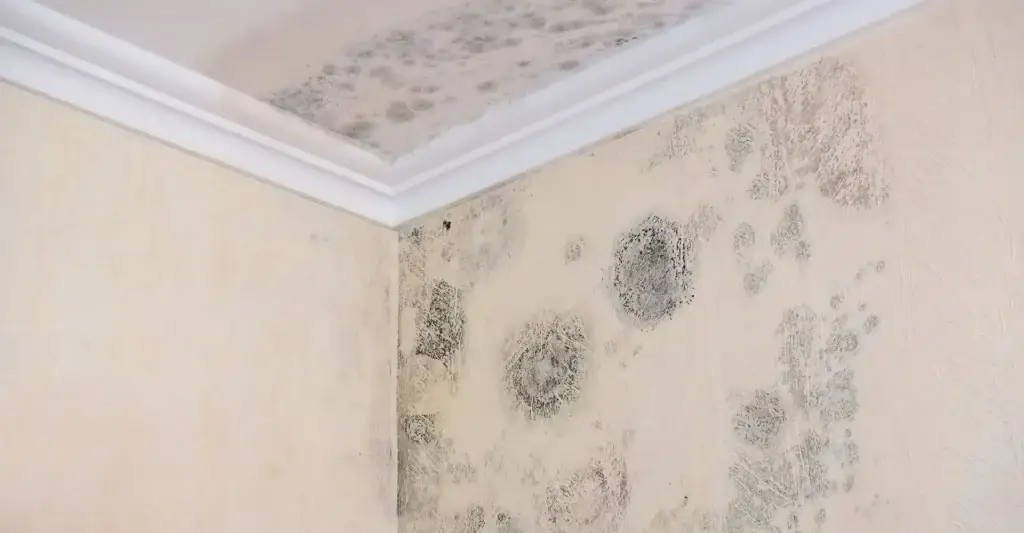
Mould Remediation: If drying is delayed, mould will occur. We use HEPA-filtered tools to capture and remove surface and airborne mould spores. During the mould removal process we also carry out surface washes uses industry leading biocidal solutions to kill the mould at the root.
Odour Control: We utilise Ozone generators or Thermal Fogging to kill the bacteria that cause the “damp” smell, rather than just covering it up with perfumes.
Summary: A professional approach to recovery
Flood damage cleaning is a highly specialised discipline that goes far beyond simple water removal; it is a systematic process of decontamination, silt clearance, and deep structural drying designed to eliminate hazardous “Black Water” pathogens. While it may be tempting to manage the cleanup independently, professional intervention is the only way to guarantee that moisture trapped within the building’s fabric is fully extracted.
By employing BDMA-accredited techniques, experts ensure your property is not only visually clean but biologically safe and structurally sound, preventing the long-term risks of secondary mould growth, dry rot, and insurance complications.
Call our emergency response team 0800 088 4170
Flood damage cleaning FAQs
How long does the flood damage cleaning process take?
The initial water extraction and decontamination usually take 24 to 48 hours. However, the structural drying phase can last anywhere from several days to a few weeks, depending on the building materials (e.g., concrete takes longer to dry than timber) and the extent of the saturation.
Can I stay in my home during the cleanup?
In Category 3 “Black Water” floods, we generally advise against staying in the property until the initial decontamination is complete. The presence of airborne pathogens and high humidity levels can pose significant health risks, particularly to children, the elderly, or those with respiratory issues.
Is flood damage cleaning covered by my insurance?
Most comprehensive home and business insurance policies cover flood damage cleaning and restoration. Ideal Response works closely with loss adjusters to provide the technical documentation needed to ensure your claim is processed smoothly.
Will the "damp smell" ever go away?
Yes. Professional cleaning involves more than just drying; we use hydroxyl generators and thermal fogging to neutralise odour-causing bacteria at a molecular level. If a property still smells damp, it usually means there is still moisture trapped in the structure or mould is present.
Why can't I just use a regular cleaning company?
Standard cleaning companies are not equipped to handle “Category 3” biohazards or deep structural drying. They lack the industrial-grade extraction pumps, H-class HEPA vacuums, and the calibrated moisture-tracking equipment required to certify that a building is truly dry and safe.

Tahlia Ibrahim - Delivery Manager
Tahlia has over four and a half years of in-depth experience across various facets of the disaster recovery industry. Having progressed through roles in marketing and sales to her current position, Tahlia possesses a comprehensive understanding of the entire business operation, from initial client contact to meticulous service delivery. A certified BioSweep Specialist, she excels in advanced odour elimination techniques, ensuring thorough restoration.